About Boiler Steam Drums
We take pleasure in introducing ourselves as one of the leading manufacturers and suppliers of
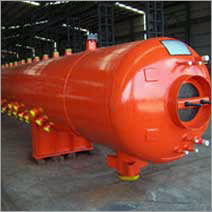
Boiler Steam Drums. These drums are used in different industries such as textile, pharmaceutical and chemical for various purposes. The offered drums are manufactured and tested using optimum class raw materials and pioneering techniques under the supervision of our experienced professionals. In additionally, these
Boiler Steam Drums are easily available in various capacities as per the requirement of clients at nominal prices.
Features:
- Perfect finish
- Corrosion resistant surface
- Resistance to leakage
- High strength
Specification
|
Working Pressure
|
125 KG/CM2
|
|
Temperature Range
|
400 DEGREE CELCIUS
|
|
Country of Origin
|
Made in India
|
|
Material
|
Mild Steel
|
|
Certification
|
IBR Approved
|
Our steam drums are treated with advanced anti-corrosion paints and coatings, providing superior resistance to aggressive industrial environments. This thorough surface treatment extends the operational life of the drum, minimizes maintenance needs, and assures safe, reliable steam management for years, even under high pressure and temperature conditions.
Tailored Design and ComplianceEach steam drum is produced following ASME Section IX or IBR welding standards and is designed to the specifications and requirements of your application. With third-party inspection and full certification, you can trust our products for impeccable safety, compliance, and enduring quality, whatever your industrial setting.
Optimized for Industrial EfficiencyFeaturing durable saddle supports for secure mounting and engineered to deliver dry saturated steam at pressures up to 150 kg/cm and temperatures reaching 520C, our steam drums are designed to maximize heat efficiencyup to 90%. Their adaptable fuel compatibility and broad capacity range make them a valuable asset for diverse fuel types and industrial processes.
FAQs of Boiler Steam Drums:
Q: How is the surface of the steam drum protected from corrosion?
A: Our steam drums undergo a specialized anti-corrosion surface treatment, either painted or coated, to resist harsh industrial conditions. This ensures extended service life and reduces maintenance in environments with high temperature, pressure, or chemical exposure.
Q: What design standards and certifications do your steam drums comply with?
A: Each steam drum is manufactured according to ASME Section IX and IBR-approved welding standards. We also offer custom design codes upon request, and every unit is subjected to third-party inspection for comprehensive certification and compliance.
Q: When should a new steam drum be considered for replacement in an industrial setting?
A: A new steam drum is usually considered after 15-20 years of usage, depending on maintenance, operating conditions, and inspection outcomes. Signs of significant wear, corrosion, or compromised efficiency are indicators for replacement.
Q: What is the manufacturing process for your steam drums?
A: Our process includes design as per client and industry standards, precise fabrication with ASME/IBR-certified welding, anti-corrosion coating, assembly with flanged or welded connections, installation of accessories, and thorough inspection and certification by third parties.
Q: Where can these steam drums be used?
A: Our steam drums are ideal for power plants, refineries, and chemical industries. Their robust design accommodates various industrial processes, fuel types, and mounting configurations, ensuring versatile application across sectors.
Q: How are steam drums used in industrial boilers?
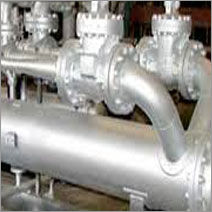
A: Steam drums function to separate steam from water and store dry saturated steam, supporting boiler efficiency and operational safety. Integrated gauges, safety valves, and manholes facilitate monitoring and maintenance during operation.
Q: What are the key benefits of choosing your steam drums?
A: Key benefits include exceptional corrosion resistance, compliance with global quality standards, customizable sizes and configurations, extensive pressure and capacity ranges, prolonged lifespan, and enhanced operational safety due to reliable third-party certification.






 Send Inquiry


 Send Inquiry


